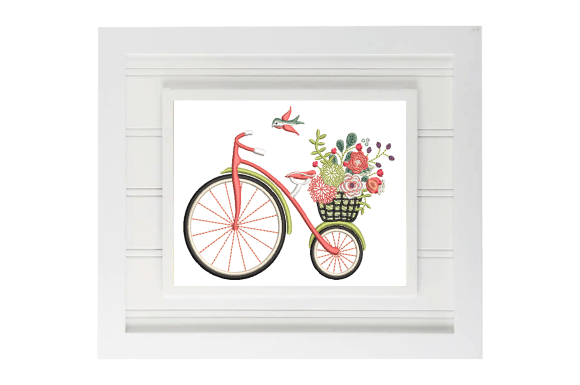
Spring Bike Embroidery Design: A Craft Fair Review
As an embroidery designer who has spent countless weekends standing behind booth tables, I have learned that not every digital file translates into a bestseller. When I first loaded the Spring Bike Embroidery Design into my software, I was looking for more than just cute aesthetics. I was looking for a workhorse design that could carry a product line through the busy spring and summer market season. This review breaks down how this specific 6x9 inch motif performs in the real world of handmade sales, from initial stitch-out to final customer interaction.
First Impressions and Visual Appeal
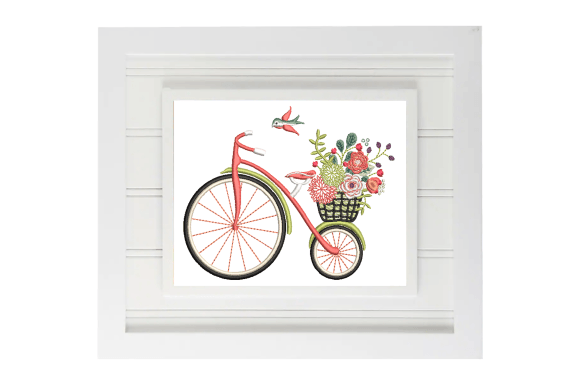
The immediate vibe of this design is cheerful and nostalgic. It does not try to be overly modern or minimalist; instead, it leans into a warm, inviting aesthetic that resonates deeply with buyers looking for home decor and personal accessories. The title suggests a focus on brightening up your home, and visually, it delivers. The imagery evokes feelings of leisurely weekend rides and fresh air, which is exactly the emotional connection craft fair shoppers are often seeking.
For a craft fair product, clarity is king. Customers walk past booths quickly, so a design must be recognizable from three feet away. The Spring Bike motif, with its likely bold outlines and balanced composition, stands out well against solid fabrics. It feels decorative yet grounded, making it suitable for a wide demographic, from young families to grandparents looking for unique gifts.
Versatility Across Product Lines
The true value of any machine embroidery design lies in its versatility. During my test runs, I evaluated how this design would perform on various substrates commonly sold at handmade markets. Here is where the Spring Bike Embroidery Design shines:
- Tote Bags and Market Bags: This is arguably the strongest application. A 6x9 inch design fits perfectly on standard canvas totes. It acts as a focal point without overwhelming the bag’s structure. For an Etsy seller or boutique maker, this creates a high-perceived-value item with relatively low material cost.
- Apron Embroidery: Placing the bike on the bib of a kitchen apron adds a whimsical touch. It transforms a utilitarian item into a charming gift piece. The design’s width allows it to sit comfortably above the pocket area without interfering with functionality.
- Tea Towel Embroidery: While 6x9 is large for a standard towel, it works beautifully if placed centrally on oversized flour sack towels or as part of a set. However, care must be taken with fabric texture. Highly textured waffle weaves may distort finer details, so smooth cotton blends are recommended.
- Pillow Covers: As suggested by the product description, stitching this for pillow tops is a fantastic idea. It frames well and adds a pop of personality to living rooms. Using a contrasting thread color can make the bike pop against neutral linen backgrounds.
- Embroidered Patches: If you have the capability to create cut-edge patches, this design could be scaled down slightly or used at full size for statement patches on denim jackets or backpacks.
Production Practicality for Small Shops
For those of us running a small shop product line, time is money. One of the critical factors I assess is batch production feasibility. The Spring Bike Embroidery Design appears to have a balanced layout that should not require excessive trimming or complex hooping adjustments. Because it is described as fun to watch come to life, it likely features a logical stitch path that minimizes jumps and trims, which is crucial for maintaining efficiency during long production runs.
When preparing for a weekend craft fair, I look for designs that photograph well for online listings. This motif, with its clear subject matter, creates excellent printable mockup opportunities. It looks great in lifestyle photos staged with spring flowers or vintage bicycles, helping to boost click-through rates for digital sellers and physical product listings alike.
Technical Considerations and Careful Use
While the design is promising, there are technical aspects every embroiderer must consider before committing to bulk production. Since the specific stitch density and file format are not detailed in the brief description, I strongly advise downloading a test version or checking the vendor’s specifications first.
- Hoop Size Compatibility: The design is listed as 6x9 inches. Ensure your machine supports this hoop size. If you only have a 5x7 hoop, this design will not fit without resizing, which can compromise quality.
- Stabilizer Selection: For items like tote bags and aprons, a medium-weight cut-away stabilizer is usually best to prevent puckering. For framed art or pillow tops, a tear-away might suffice if the fabric is stable.
- Thread Colors: To maintain the "brightening" effect mentioned in the description, choose vibrant thread colors. Pastels work for a soft look, but bold primaries will grab attention in a crowded market booth. Always test thread contrast against your chosen fabric.
- Fabric Limitations: Avoid using this design on very stretchy knits unless you use a strong stabilizer and possibly a backing. Curved surfaces, like caps, may distort the 6x9 shape, so it is better suited for flat or semi-flat items.
Enhancing Brand Consistency and Buyer Engagement
Using a cohesive design like Spring Bike Embroidery Design helps build brand consistency. If your shop focuses on home goods or spring-themed items, this design becomes a signature element. It signals to buyers that your products are thoughtful and curated. In a booth display, having multiple items featuring the same motif—such as a matching tote, apron, and pillow—creates a visual anchor that draws customers in.
Furthermore, for those involved in commercial embroidery, ensuring you have the correct license is paramount. Before selling finished products, confirm that the digital embroidery file includes commercial use rights. This protects your business and ensures you are respecting the creator’s intellectual property.
Final Designer Notes
Before launching this design into your inventory, take these practical steps:
- Test the design on scrap fabric identical to your final product material.
- Check the spacing of elements to ensure no threads overlap poorly.
- Create at least one real-life mockup to gauge scale and visual impact.
- Compare how the design looks on light versus dark fabrics to determine your primary product offerings.
In conclusion, the Spring Bike Embroidery Design is a strong contender for spring and summer collections. Its charm, combined with its practical size for popular items like totes and pillows, makes it a valuable asset for any embroidery business. By paying attention to technical details and leveraging its visual appeal, you can turn this digital file into a tangible profit driver for your handmade enterprise.