Cook Kitchen Embroidery: A Designer’s Craft Fair Review
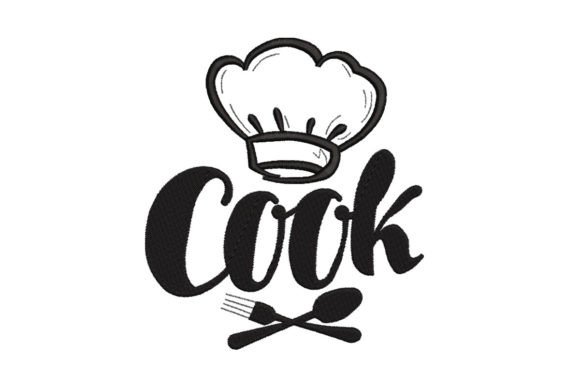
As an embroidery designer who has spent countless weekends behind a folding table at local markets, I know that the difference between a browser and a buyer often comes down to visual impact. When I first loaded the Cook Kitchen Embroidery file into my digitizing software, I was looking for more than just clean stitch paths. I was looking for a product that would stop traffic in a crowded aisle. This design, featuring cooking tools and a chef’s hat, immediately struck me as a versatile asset for any handmade business owner targeting the home goods sector.
First Impressions: Bold, Rustic, and Ready to Sell
The initial view of this machine embroidery design suggests a blend of rustic charm and professional culinary pride. It does not feel overly delicate or fragile; instead, it carries a boldness that translates well to physical products. For craft fair sellers, this is crucial. Customers walking past your booth have mere seconds to register what you are selling. The imagery of the chef’s hat paired with classic cooking utensils creates an instant narrative. It speaks to the home cook, the professional baker, and the person who takes pride in their kitchen space.
I would categorize the aesthetic as modern farmhouse with a touch of whimsy. It is not sterile or minimal, nor is it cluttered. This balance makes it an ideal candidate for a wide range of demographics, from young couples setting up their first home to seasoned cooks who appreciate a nod to their passion. The design feels premium because it avoids the trap of looking like a cheap clip-art transfer. Instead, it has the structured integrity of a well-digitized embroidery file meant for repeated use.
Product Versatility: Where This Design Shines
The true test of any digital asset is its adaptability. Based on the description, this design is intended for clothes, home decor, t-shirts, tablecloths, and towels. In my experience preparing for a weekend market, here is how I would strategically deploy this artwork:
- Apron Embroidery: This is the most obvious and potentially highest-margin application. An apron with this motif becomes a statement piece. It transforms a utility item into a gift-worthy handmade product.
- Tea Towel Embroidery: Tea towels are impulse buys. Placing this design on the corner of a high-quality linen or cotton towel creates an affordable entry point for customers who want a taste of your brand without committing to a larger purchase.
- Tote Bag Design: Canvas totes are staples at craft fairs. The bold lines of the cooking tools will stand out against natural canvas, making it a practical and stylish craft fair product for grocery shoppers.
- Embroidered Patch: If you offer patches, this design’s self-contained shape works perfectly. It allows customers to customize their own jackets or bags, expanding your reach beyond finished goods.
For Etsy sellers, this versatility means you can create multiple listings from a single digital embroidery file. You can photograph the same design on a cap, a pillow cover, and a pouch, maximizing your content creation efforts.
Production Practicality and Batch Efficiency
From a production standpoint, time is money. A design that requires constant trimming, excessive stabilizer manipulation, or frequent needle breaks is a profit killer. While I cannot speak to the exact stitch count without seeing the specific file data, the visual composition suggests a manageable density. The chef’s hat likely provides a solid area for satin or fill stitches, while the cooking tools may utilize running or stem stitches for definition.
This balance is vital for batch production. If you are preparing fifty units for a holiday market, you need consistency. The design appears robust enough to withstand washing, which is a key selling point for kitchen items. However, always remember that "kitchen" implies exposure to heat, moisture, and stains. Your choice of thread quality and fabric pre-treatment will determine the longevity of the finished product.
Technical Considerations for Best Results
To ensure your commercial embroidery items look professional, consider these technical notes during your test runs:
- Fabric Texture: Textured towels can obscure fine details. If the cooking tools have thin lines, test on a smooth flour sack towel first. If stitching on terry cloth, use a topping to prevent stitches from sinking into the pile.
- Stitch Density: Check the density on the chef’s hat. If it is too dense, it may cause puckering on lightweight fabrics like t-shirts. Adjust your stabilizer accordingly; a cut-away stabilizer is often safer for garments that will be washed frequently.
- Hoop Size: Confirm the required hoop size before starting. If the design is large, ensure your machine can accommodate it without re-hooping, which can lead to alignment issues.
- Thread Colors: Contrast is key. On dark fabrics, use bright or metallic threads to make the design pop. On light fabrics, traditional white, cream, or navy threads can evoke a classic bistro feel.
Marketing and Visual Appeal
How does Cook Kitchen Embroidery affect your brand? It adds a layer of specificity. Instead of being a general "embroidery shop," you become a source for culinary-themed decor. This niche focus helps with SEO and social media targeting. When creating your printable mockup or listing images, stage the products in a kitchen setting. Show the apron hanging on a wooden hook, or the tea towel draped over a ceramic bowl. Context sells.
For small shop owners, this design supports brand consistency. If your other products feature food motifs or home-centric themes, this design fits seamlessly into your collection. It strengthens your booth display by creating a cohesive visual story. Buyers are more likely to engage with a display that looks curated rather than random.
Final Designer Notes
Before you commit to full production, treat this design assets package with the scrutiny it deserves. Always stitch out a test sample on scrap fabric identical to your final product material. Check for thread breaks, jumps, and clarity. Ensure that any small lettering or intricate details in the cooking tools remain legible at the intended size.
Crucially, verify the licensing terms. As a professional, you must confirm that the digital embroidery file includes commercial rights if you plan to sell the physical items. Never assume. Once confirmed, this design offers a strong foundation for a profitable line of kitchen-centric handmade goods. It is practical, visually appealing, and perfectly suited for the modern craft market.