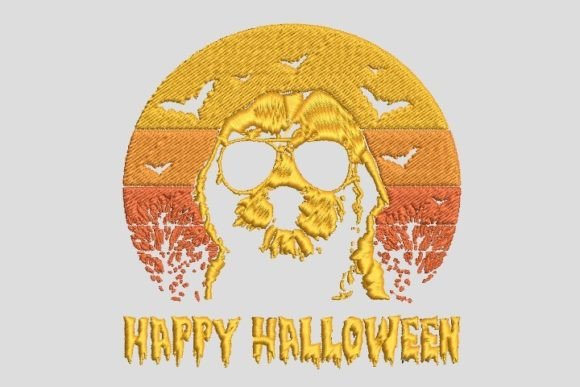
Reviewing the Horror Golden Halloween Dog Embroidery
As a designer who has spent countless hours staring at digitized files and watching needles punch through fabric, I have developed a keen eye for what works in the hoop and what ends up as a tangled mess. When I first loaded the Horror Golden Halloween Dog Embroidery file into my software, I was immediately struck by its thematic balance. It is not just another spooky graphic; it carries a distinct personality that blends eerie charm with playful execution. For those of us running small embroidery businesses or crafting personalized gifts, finding designs that stand out in a saturated market is crucial. This particular design offers a unique visual hook that can elevate standard holiday merchandise into something memorable.
First Impressions and Visual Mood
The initial layout of this machine embroidery design suggests a careful consideration of negative space and detail. The "golden" aspect implies a warmth that contrasts beautifully with the typical cold, dark palette of October decor. In my review, I looked closely at how the shapes interact. The dog motif is central, but the surrounding elements support rather than overwhelm the main subject. This is vital for maintaining stitching clarity, especially when working with smaller hoop sizes. The mood it creates is less about genuine terror and more about festive, whimsical horror, making it versatile for a wider audience, including families and children who want to participate in the fun without the fright.
Real-World Application: The Trick-or-Treat Tote Test
To truly evaluate a design, you must imagine it on a finished product. I recently considered using this file for a custom order involving heavy canvas tote bags. These bags are popular among Etsy sellers and craft fair vendors because they are durable and provide a large, flat surface for embroidery. The Horror Golden Halloween Dog Embroidery performed well in this mental simulation. The design’s structure seemed robust enough to hold up against the textured weave of canvas. When envisioning the final look, I pictured gold and orange thread colors popping against a natural beige or deep black fabric. This contrast is key for buyer engagement. A muddy design gets lost; a crisp one sells.
Beyond totes, this design translates effectively to sweatshirt embroidery. Hoodies are a staple of autumn wardrobes. Placing this motif on the left chest or as a larger back piece could create a high-value handmade product. The visual weight of the design feels substantial enough to anchor a garment without looking like an afterthought. For custom apparel decorators, this means fewer complaints about placement and better perceived value from the customer.
Technical Considerations for Stitching Success
While the aesthetic appeal is strong, practical execution requires attention to detail. One of the first things I check in any new embroidery file is the stitch density. Although specific technical data like exact stitch counts were not provided in the immediate description, experienced designers know that dense areas can cause puckering, especially on lighter fabrics. If this design utilizes significant fill stitch work, it is imperative to use the correct stabilizer. I recommend testing on scrap fabric first. Cut a piece of the same material you intend to use for the final product, hoop it with your preferred stabilizer, and run a test stitch-out.
Pay close attention to the transitions between different stitch types. Does the design rely heavily on satin stitch for outlines? Satin stitches look luxurious but can be prone to snagging if they are too long or if the thread tension is off. Alternatively, if it uses running stitch for finer details, ensure that the fabric texture does not swallow these delicate lines. On textured fabrics like terry cloth towels or fuzzy fleece, fine details can disappear. In such cases, this design might be better suited for smoother materials like cotton twill, denim, or polished polyester blends often found in embroidered patch production.
Fabric and Hoop Constraints
Where should you use this design carefully? Any area with extreme curvature, such as the front of a fitted cap, requires caution. The distortion caused by the curve can warp the image, making the dog look stretched or misaligned. Similarly, if you are working with stretchy fabrics like jersey knits for baby clothes, the stability of the design is paramount. Baby embroidery demands softness and durability. Ensure that the backing used is tear-away or cut-away depending on the garment's lifespan, and always pre-wash the fabric to account for shrinkage before stitching.
Dark fabrics present another challenge. While the "golden" theme suggests bright threads, visibility depends on contrast. If you are stitching on black, consider using a metallic gold thread or a high-sheen rayon to make the design pop. However, metallic threads can be tricky to work with due to breakage. Always slow down your machine speed when using specialty threads. For holiday embroidery projects that need to withstand frequent washing, such as kitchen towels or aprons, verify that the thread colors are colorfast and that the stitch density will not degrade after multiple cycles.
Commercial Viability and Brand Consistency
For commercial embroidery professionals and small shop product creators, consistency is king. Using a design like Horror Golden Halloween Dog Embroidery can help build a cohesive seasonal collection. Imagine pairing this with matching framed art or home decor items. The versatility mentioned in the product description—suitable for t-shirts, clothes, and trick-or-treat bags—allows for cross-promotion. You can offer a bundle: a shirt for the parent and a bag for the child, both featuring the same charming canine motif. This increases the average order value and enhances brand recognition.
When creating printable mockup assets for your online store, ensure the digital representation matches the stitched reality. Customers trust what they see. If the mockup shows a crisp, clean design but the actual product has loose threads or poor registration, you lose credibility. Take high-quality photos of your test stitches. Show the texture of the thread and the lay of the fabric. This transparency builds trust and reduces return rates.
Final Designer Notes
Before committing to a large production run or listing this as a digital embroidery file for others to use, confirm the licensing terms. Can you sell the finished physical items? Can you resell the digital file? These distinctions are critical for legal compliance in your craft business. Additionally, check the file formats included. Ensure compatibility with your specific machine brand, whether it is Brother, Husqvarna, Janome, or Bernina.
In summary, the Horror Golden Halloween Dog Embroidery is a promising asset for your autumn toolkit. It offers a blend of whimsy and style that appeals to a broad demographic. By paying attention to fabric choice, stabilizer selection, and thread contrast, you can transform this digital asset into a high-quality finished product that delights customers and strengthens your brand. Treat every stitch as a reflection of your craftsmanship, and let this design shine in your next creative endeavor.