Reviewing the Cute Bat Halloween Embroidery Design
As an embroidery designer who has spent years digitizing files and consulting with small business owners, I approach every new machine embroidery design with a critical eye. It is not just about whether a motif looks adorable on a screen; it is about how that digital file translates into a tangible, durable, and profitable finished product. Recently, I evaluated the Cute Bat Halloween Embroidery Design to determine its viability for commercial use. This review focuses on its application for branded merchandise, patches, and small business assets rather than simple home decoration.
First Impressions: Balancing Playfulness with Professionalism
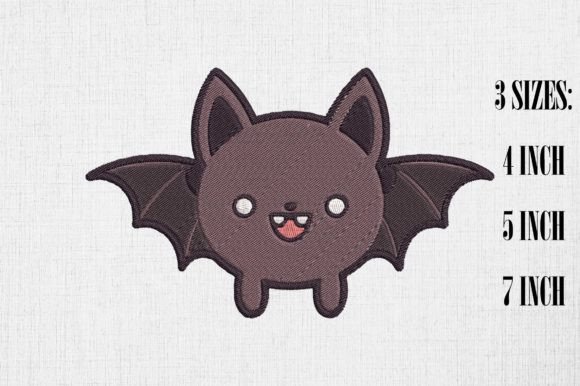
The first thing you notice about the Cute Bat Halloween Embroidery Design is its approachable aesthetic. In the world of seasonal merchandising, there is a fine line between spooky and sellable. This design leans heavily into the "cute" category, making it ideal for brands that want to participate in the Halloween season without alienating customers who prefer a friendlier vibe. For a boutique, bakery, or creative studio, this visual personality is a significant asset. It feels handmade and warm, which aligns perfectly with the current consumer demand for authentic, artisanal goods.
However, from a technical standpoint, I look for clean lines and logical stitch paths. A design that looks cluttered on a monitor often turns into a thread nest on fabric. Based on the description, this digital embroidery file is versatile, intended for clothes, baby’s onesies, home decor, and more. This versatility suggests a balanced stitch count, but it requires careful testing to ensure it maintains its integrity across different materials.
Real-World Business Applications
For small business owners, the true value of an embroidery file lies in its adaptability. Here is how I envision the Cute Bat Halloween Embroidery Design performing in various commercial scenarios:
- Embroidered Patches: This is perhaps the strongest use case. A cute bat makes for an excellent iron-on or sew-on patch. Patches allow businesses to create limited-edition items without committing to full-garment printing. You can produce batches of patches and apply them to denim jackets, canvas totes, or even laptop bags as a seasonal upsell.
- Staff Uniforms and Aprons: For cafes and bakeries opening in October, adding this design to staff apron embroidery adds a festive touch that enhances customer experience. It serves as a conversation starter and reinforces the brand’s attention to detail.
- Cap Embroidery: Placing a small version of this bat on the side panel or back of a baseball cap is a trendy move. It avoids the bulkiness of a large front logo while still offering branded flair.
- Tote Bag Design: Canvas tote bags are a staple for handmade brands. Embroidering this design on a tote creates a high-perceived-value item that customers are likely to use repeatedly, turning them into walking advertisements for your shop.
- Product Packaging Accents: If you sell handmade goods, consider embroidering this motif on small fabric tags attached to your packaging. It elevates the unboxing experience and reinforces your brand identity.
Technical Considerations for Production
While the aesthetic is appealing, successful commercial embroidery requires technical precision. Before running a full production batch of the Cute Bat Halloween Embroidery Design, you must address several practical factors.
Fabric Texture and Stabilizer Choice
The description mentions use on towels, tablecloths, and onesies. These fabrics vary wildly in fabric texture and stretch. A terry cloth towel requires a different approach than a smooth cotton onesie. For plush or textured fabrics, you may need a topping stabilizer to prevent the stitches from sinking into the pile. For stretchy knits like onesies, a cut-away stabilizer is essential to maintain the shape of the bat after washing. Always test your stabilizer choice on a scrap piece of the actual material you intend to use.
Stitch Density and Detail
One common pitfall with cute, cartoon-style designs is excessive stitch density. If the bat features solid filled areas, ensure the density is not so high that it causes puckering, especially on lightweight fabrics like baby onesies. Conversely, if the design relies on thin outlines, check that they are thick enough to be visible and durable. A design that looks crisp on a 4-inch hoop might disappear or break when scaled down for a small embroidered patch.
Thread Colors and Contrast
Black is the obvious choice for a bat, but consider your base fabric. Embroidering black thread on a navy blue uniform shirt might result in poor visibility. Test the design in high-contrast combinations first. If you are using this for custom apparel, offer clients a preview of how the thread colors interact with their garment choices. Sometimes, switching to a dark grey or deep purple can provide better definition on certain backgrounds.
Strategic Branding and Customer Trust
Using a cohesive design like the Cute Bat Halloween Embroidery Design contributes significantly to brand identity. When customers see consistent, high-quality embroidery across your social media, website, and physical products, it builds trust. It signals that you invest in quality design assets and care about the presentation of your small business merch.
Furthermore, seasonal items create urgency. By offering this design on limited-run items, you encourage immediate purchases. It also provides excellent content for social media. A time-lapse video of the bat being embroidered on a tote bag is engaging content that showcases your craftsmanship and the quality of the machine embroidery design.
Practical Designer Notes for Implementation
Before you commit to selling products featuring this design, follow these steps to ensure professional results:
- Test in Black and White: Remove color variables to check the structural integrity of the stitch path. Ensure the shape is recognizable without color cues.
- Check Scalability: Resize the design to the smallest dimension you plan to sell (e.g., a 2-inch patch). Verify that details do not merge or become indistinct.
- Confirm Hoop Size: The description does not specify exact dimensions. Check the included files to confirm the maximum hoop size required. Ensure your machine can accommodate the largest version if you plan to offer multiple sizes.
- Create a Printable Mockup: Use digital tools to place the design on photos of your actual products. This helps in marketing and allows clients to visualize the finished product before ordering.
- Verify Commercial Licensing: This is crucial. The description states it comes with certain rights, but always read the specific license agreement included with the digital embroidery file. Confirm that you are allowed to sell physical items made with this design and whether there are limits on production volume.
- Wash Testing: Embroider a sample on the intended fabric, wash it five times, and inspect for thread breakage, shrinking, or distortion. Durability is key for customer satisfaction.
In conclusion, the Cute Bat Halloween Embroidery Design offers a charming and versatile option for businesses looking to add seasonal flair to their offerings. Whether used for tote bag design, staff uniforms, or standalone patches, it has the potential to drive engagement and sales. However, its success depends on rigorous technical testing and strategic application. By treating this file as a core component of your commercial embroidery strategy rather than just a decorative element, you can maximize its value and enhance your brand’s professional image.