Gingerbread Village Embroidery Paper Review
As an embroidery designer who has spent years translating digital concepts into tangible finished product success for small businesses, I approach every new asset with a critical eye. It is not just about whether a design looks cute on a screen; it is about how it performs under the needle, how it elevates brand identity, and whether it holds up in the real world of commercial embroidery. Recently, I evaluated Gingerbread Village Embroidery Paper from Anemona Estudio to determine its viability for branded merchandise and boutique applications. This review focuses on practical business use rather than mere decoration.
First Impressions: Visual Personality and Professional Appeal
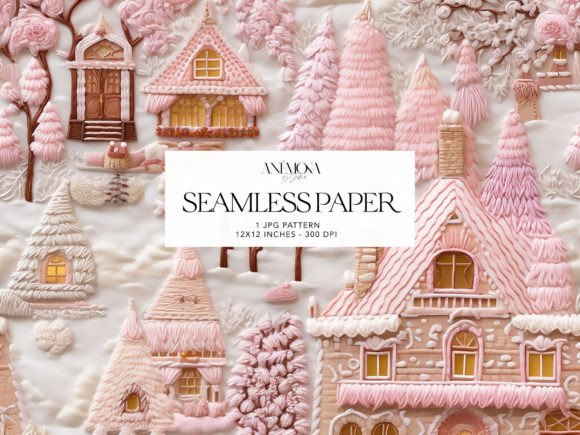
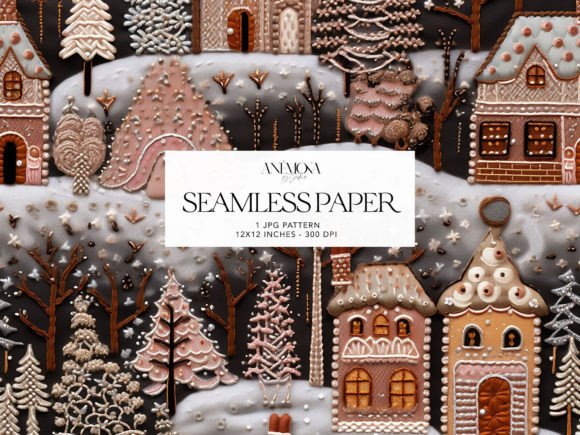
Upon opening the file, the immediate impression of Gingerbread Village Embroidery Paper is one of warmth and nostalgic charm. The description promises a seamless 3600px by 3600px JPG at 300 dpi in RGB. Visually, this asset leans heavily into a rustic, handmade aesthetic that feels both playful and inviting. For businesses in the bakery, café, or artisanal gift sectors, this visual language is powerful. It does not scream modern minimalism; instead, it whispers comfort and tradition.
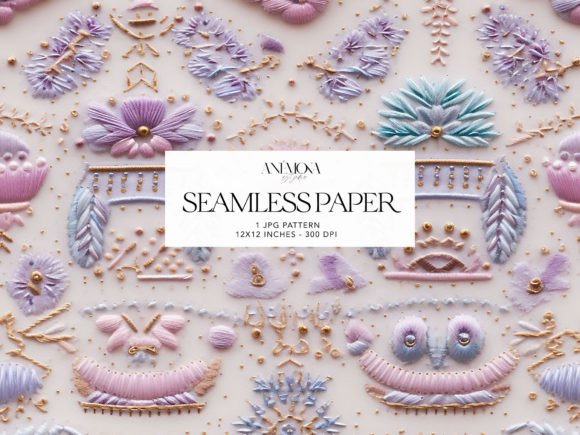
However, as a designer, I must note that this is a faux embroidery digital paper, not a native machine embroidery file format like PES or DST. This distinction is crucial. It serves as a high-resolution graphic resource, perfect for creating printable mockup presentations, packaging designs, or as a reference for digitizing custom patches. The seamless nature of the pattern allows for versatile scaling, which is a significant advantage when adapting assets for different design assets across a brand’s ecosystem.
Real-World Business Applications
When considering small business merch, versatility is key. Here is how I envision integrating this specific graphic into various commercial projects:
- Branded Patches: While the file itself is a JPG, the visual texture provides an excellent blueprint for creating embroidered patches. A local bakery could use the gingerbread motif to create iron-on patches for staff jackets or customer loyalty programs.
- Apron Embroidery: For coffee shops and florists, staff uniforms are walking billboards. Using this pattern as a guide for digitizing a chest logo or sleeve detail adds a layer of sophistication to standard custom apparel.
- Tote Bag Design: The seamless pattern works beautifully for all-over prints on canvas totes. If digitized correctly, sections of the village can become intricate embroidery details on premium tote bags, increasing the perceived value of the item.
- Packaging Accents: High-resolution graphics are essential for printing labels and box inserts. This 300 dpi resolution ensures crisp edges, maintaining professionalism in handmade product packaging.
The key to success here is understanding that this is a graphic resource within the Patterns and Graphics category. It requires translation into stitch data if you intend to put it directly on fabric via machine. For Etsy sellers and crafters, this means using the image to create compelling product listings or printing it on transfer paper for heat application, depending on the intended medium.
Technical Considerations and Placement Strategy
Not every design works everywhere. When adapting the visual elements of Gingerbread Village Embroidery Paper for actual embroidery, several technical factors come into play. The intricate details of a "village" scene often involve fine lines and small shapes. These can be problematic on certain surfaces.
Cap embroidery requires careful handling. The curved surface of a baseball cap distorts dense designs. If you digitize elements from this paper for a cap front, you must reduce stitch density and simplify outlines to prevent puckering. Similarly, for embroidered patch production, ensure that the smallest details are large enough to be stitched cleanly. Tiny lettering or microscopic roof tiles may merge into a blob of thread if the hoop size is too small or the needle is too thick.
Furthermore, consider the fabric texture. This design’s rustic charm pairs well with natural fibers like cotton twill, linen, or denim. However, on slippery synthetics or highly textured fleece, the finer details might get lost. Always test on the actual material you plan to use for your client’s order.
Impact on Brand Identity and Customer Trust
Consistency builds trust. When a customer sees the same warm, cohesive visual theme on your website, your packaging, and your staff’s apron embroidery, it reinforces brand recognition. Gingerbread Village Embroidery Paper offers a distinct aesthetic that can help a business stand out in a crowded market. It signals attention to detail and a commitment to quality.
For handmade brands, using such detailed, thematic graphics suggests a level of care that mass-produced items lack. It enhances the storytelling aspect of your products. Whether it is a pet brand using the motif for holiday bandanas or a creative studio using it for limited-edition merch, the emotional connection fostered by this imagery can drive buyer engagement and justify premium pricing.
Practical Designer Notes for Implementation
Before you commit to full production runs, follow these steps to ensure quality control:
- Test in Black and White: Convert the JPG to grayscale to check contrast. If the details disappear without color, they may vanish in single-color embroidery.
- Check Scale: Print the design at the intended physical size. Ensure that the smallest elements are legible and stitchable.
- Review Thread Colors: Select thread colors that match the warmth of the original graphic. Earth tones, deep reds, and creamy whites often work best for this theme.
- Confirm Hoop Size: Ensure your machine’s hoop can accommodate the desired layout without excessive repositioning, which can cause alignment errors.
- Use Proper Stabilizer: For detailed designs, a cut-away stabilizer is often safer than tear-away to maintain shape integrity after washing.
- Create a Mockup: Use the high-res JPG to create a digital mockup for client approval before stitching a single thread. This saves time and materials.
- Verify Licensing: Although Anemona Estudio provides this as a digital paper, always confirm the specific commercial licensing terms for using the graphic in sold goods versus using it as a reference for digitizing.
In conclusion, Gingerbread Village Embroidery Paper is a valuable asset for designers looking to inject warmth and character into their small business merch. It is not a plug-and-play digital embroidery file for machines, but rather a high-quality graphic foundation. With proper digitization and thoughtful application, it can transform ordinary items into cherished branded keepsakes. Always prioritize testing and technical precision to ensure the final stitched result honors the charm of the original design.