Aztec Embroidery Zigzag Pattern Review
As a designer who has spent countless hours staring at digitizing software and even more time watching needles punch through fabric, I have developed a keen eye for what works in the real world. We often get swept up in the visual appeal of a digital embroidery file on a screen, but the true test is always how it translates to thread and textile. Recently, I evaluated the Aztec Embroidery Zigzag Pattern, a design that promises a blend of ethnic flair and geometric precision. This review is not just about aesthetics; it is about practical application for embroidery designers, Etsy sellers, and craft entrepreneurs who need reliable assets for their handmade product lines.
First Impressions and Visual Personality
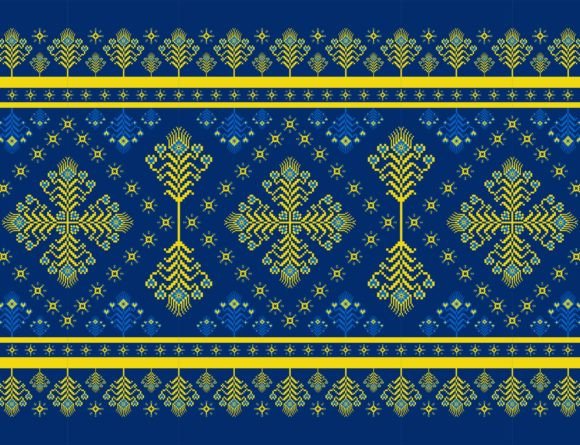
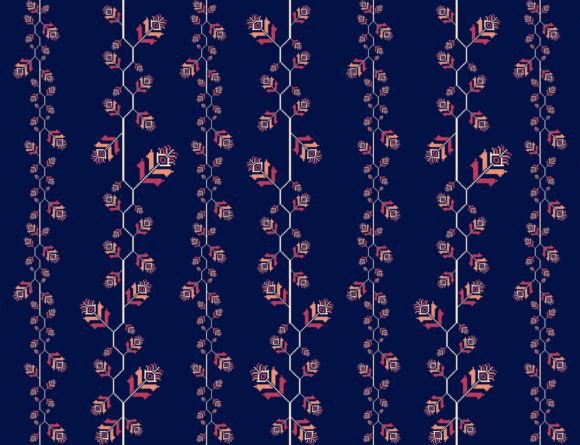
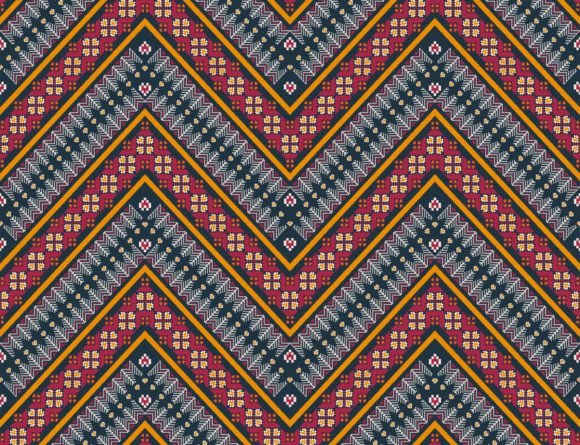
The first thing that strikes you about this design is its bold structural integrity. The Aztec Embroidery Zigzag Pattern does not try to be subtle. It leans heavily into the pixel art style mentioned in its description, creating a sharp, retro-modern vibe that feels both nostalgic and contemporary. The vector ethnic floral geometric elements are simplified enough to remain clear at smaller scales but detailed enough to hold interest when enlarged. For those of us working in commercial embroidery, clarity is king. A muddy design leads to unhappy customers, and this pattern avoids that pitfall by maintaining distinct lines between its zigzag shapes.
The mood it creates is energetic and grounded. It feels appropriate for projects that require a statement piece rather than a background accent. When I visualize this in my mind’s eye, I see it working exceptionally well for brands that want to project authenticity and craftsmanship. It is not a delicate, whisper-quiet design; it is a confident shout. This makes it an excellent candidate for design assets aimed at younger demographics or boutique markets that value unique, culturally inspired motifs without the heaviness of traditional tribal tattoos.
Real-World Application Scenarios
To truly understand the value of this pattern, we must move beyond the digital preview and imagine it stitched out. I recently considered this design for a custom order involving a line of organic cotton tote bags. The client wanted something that would appeal to eco-conscious shoppers who appreciate artisanal details. The Aztec Embroidery Zigzag Pattern fit this brief perfectly. On a canvas tote, the geometric zigzag stitch pattern provides a tactile contrast to the smooth fabric. The fill stitch areas, if digitized correctly, would add weight and durability to the bag, making it feel premium.
Beyond totes, I see significant potential in sweatshirt embroidery. Imagine this pattern placed on the sleeve cuff or across the chest of a neutral-toned hoodie. The pixel art style complements the casual, streetwear aesthetic that is currently dominating fashion trends. For Etsy sellers looking to expand their small shop product range, this design could easily be adapted for embroidered patches. A patch allows the customer to apply the design to various items, from denim jackets to backpacks, increasing the versatility of your finished product.
However, context matters. While it shines on apparel and accessories, I would hesitate to use this specific iteration for delicate baby embroidery unless the scale was significantly reduced and the stitch density lowered. Babies have sensitive skin, and the textured nature of a zigzag-heavy design might be too abrasive for a onesie. Instead, consider it for nursery decor, such as pillow covers or wall hangings, where the visual impact is high but physical contact is minimal.
Technical Considerations for Stitching
From a technical standpoint, working with geometric patterns requires precision. The Aztec Embroidery Zigzag Pattern relies on sharp angles and straight lines. If you are using this as a machine embroidery design, you must pay close attention to the stitch density. High density in zigzag patterns can lead to fabric puckering, especially on lighter materials like t-shirts or tea towels. Always test the design on scrap fabric first. This is non-negotiable. What looks perfect on your monitor may pull the fabric out of shape if the underlay is insufficient.
Fabric choice is critical here. This design will perform best on stable, medium-to-heavy weight fabrics. Denim, canvas, twill, and felt are ideal candidates. These materials can support the weight of the thread and maintain the crispness of the geometric shapes. If you attempt to stitch this on stretchy jersey or thin silk without proper stabilization, you risk distortion. Use a cut-away stabilizer for garments that will be washed frequently, as it provides long-term support. For temporary items or hooped projects, a tear-away might suffice, but do not skimp on quality.
Color selection also plays a pivotal role. The pixel art style benefits from high contrast. Using complementary thread colors will make the zigzag shapes pop. However, avoid using too many color changes if you are producing these items in bulk for your craft business. Each stop increases production time and the risk of thread breaks. Stick to two or three strong colors to maintain efficiency while maximizing visual impact. Test your design in black and white mockups to ensure the shape remains recognizable even without color differentiation.
Navigating Challenges and Limitations
No design is universal, and the Aztec Embroidery Zigzag Pattern has its limitations. Curved surfaces, such as caps or hats, present a challenge. The rigid geometric nature of the zigzags may distort when applied to a highly curved panel. If you plan to use this for headwear, ensure you are using a cap frame and consider breaking the design into smaller segments if necessary. Additionally, small hoop sizes may crop the seamless nature of the pattern. Check the dimensions carefully against your available hoop size to ensure the motif remains intact.
Another area of caution is washing. Items with dense embroidery, like this pattern, require careful laundering instructions. Inform your customers that turning the garment inside out before washing can help preserve the integrity of the stitches. This attention to detail builds customer trust and enhances the perceived value of your personalized gift or custom item.
Final Verdict for Creative Entrepreneurs
In conclusion, the Aztec Embroidery Zigzag Pattern is a robust addition to any designer’s library of Patterns and Graphics. It offers a distinctive look that stands out in a crowded market of generic floral and script designs. For apparel decorators and digital product sellers, it provides a versatile base that can be scaled and colored to fit various brand identities. Whether you are creating a holiday embroidery gift, a custom apparel line, or decorative home textiles, this design holds up under scrutiny.
Remember to verify the licensing terms before selling finished product items or using it in commercial projects. Ensure the file format matches your machine’s requirements, whether you need PES, DST, or another extension. By treating this design with the technical respect it deserves—proper stabilizing, testing, and fabric selection—you can create high-quality items that resonate with buyers. It is a tool that, when used wisely, can elevate your brand’s aesthetic and streamline your production process.