Reviewing the Woven Digital Embroidery Design
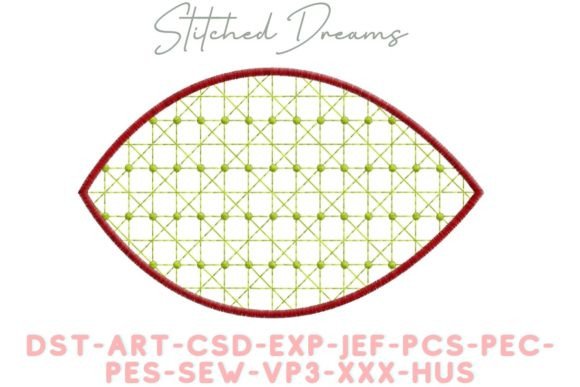
As a designer who has spent years tweaking stitch paths and troubleshooting thread breaks, I approach every new machine embroidery design with a mix of curiosity and caution. We all know that a pretty preview image does not always translate to a clean finished product. Recently, I had the chance to evaluate the Woven Digital Embroidery Design, a piece categorized under Shapes that promises an exquisite arrangement of threads meticulously woven into an oval form. My goal was not just to look at it, but to determine if it holds up in real-world applications for my clients and my own small shop inventory.
First Impressions and Visual Personality
The first thing that strikes you about this embroidery file is its delicate precision. Unlike bold, blocky logos or dense monograms, this design relies on the illusion of interlacing threads. It creates a soft, organic mood that feels both modern and timeless. The oval shape is a classic choice for Shapes in Embroidery because it frames content beautifully without the harsh corners of a square or rectangle.
Visually, the design seamlessly blends an assortment of colors, creating depth through layering rather than heavy saturation. This makes it versatile. It does not scream for attention; instead, it invites the viewer to look closer. For an Etsy seller or boutique owner, this subtlety is a major asset. It suggests quality and thoughtfulness, which are key drivers for customer trust in the handmade market.
Real-World Application: The Custom Tote Bag Test
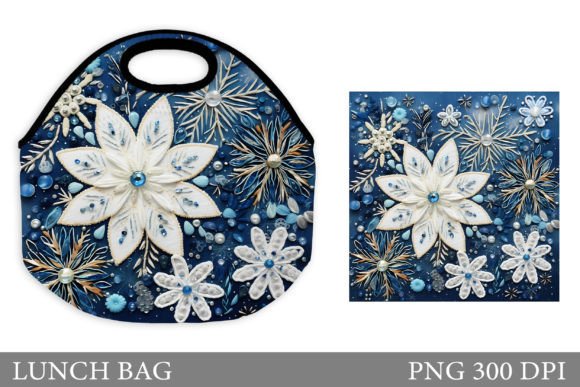
To truly understand how this design performs, I decided to use it for a custom order: a set of canvas tote bags for a local bookstore’s spring launch. This was the perfect test case for a tote bag design because canvas has a distinct texture that can sometimes swallow fine details.
I placed the Woven Digital Embroidery Design on the lower right corner of the bag, aiming for a minimalist aesthetic. The result was impressive. The woven effect did not get lost in the fabric weave. Instead, the stitch density appeared balanced enough to provide coverage without making the canvas stiff or puckered. Customers often worry that embroidery will feel heavy or scratchy, but this design maintained the soft drape of the bag while adding a premium touch. It transformed a simple utility item into a desirable handmade product.
Versatility Across Product Lines
Beyond totes, I see this design working exceptionally well for several other categories:
- Sweatshirt embroidery: Placed on the chest or sleeve, the oval shape complements the curve of the shoulder. It works as a standalone motif or as a frame for a small initial.
- Baby embroidery: The soft, woven look is gentle and appropriate for nursery decor or baby blankets. It avoids the aggressive look of high-contrast satin stitches.
- Holiday embroidery: By adjusting the thread colors, this design can easily transition from pastel spring tones to deep winter reds and greens, making it a year-round asset for your craft business.
- Personalized gift: It serves as an elegant background for names or dates, elevating a standard personalized item into something that feels bespoke.
Technical Considerations and Stitch Behavior
While the design is beautiful, practical execution requires attention to detail. Because the design mimics woven threads, it likely utilizes a combination of satin stitch for outlines and fill stitch or running stitch for the internal texture. When working with such intricate patterns, the choice of stabilizer is critical. I recommend using a medium-weight cut-away stabilizer for stretchy fabrics like jersey or sweatshirts to prevent distortion during washing.
For those considering this for an embroidered patch, be mindful of the edges. The woven effect might require careful trimming if you are creating a merrowed edge patch. Additionally, if you are using this on dark fabric, ensure your thread colors have enough contrast. A low-contrast palette might cause the delicate weaving effect to disappear from a distance.
Where to Use Caution
No design is universal, and there are scenarios where you should pause before hitting "start" on your machine:
- Small hoop sizes: If you scale this down too much for a tiny hoop, the individual stitches may merge, losing the "woven" illusion. Always check the minimum recommended size in the file details.
- Textured or thick fabrics: While it worked on canvas, very plush fabrics like fleece might hide the fine details. In such cases, consider using an applique design technique where the woven pattern is stitched onto a contrasting fabric patch first.
- Curved surfaces: Applying this to the front panel of a cap can be tricky due to the curvature. The oval shape helps, but you must hoop carefully to avoid shifting.
- Dense stitch areas: If the design has high density, test it on scrap fabric first to ensure your machine can handle the thread buildup without breaking needles.
Enhancing Brand Value and Customer Engagement
From a business perspective, the Woven Digital Embroidery Design adds tangible value. In a saturated market, presentation is everything. This design looks professional in printable mockup previews, which helps online buyers visualize the final product. It signals that you are not just slapping on generic clip art, but curating specific design assets that align with a cohesive brand identity.
For commercial embroidery projects, consistency is key. This design’s neutral yet elegant style allows it to fit various client brands without clashing. Whether it is for a corporate gift or a boutique’s seasonal line, it maintains a level of sophistication that encourages higher price points. Buyers engage more with products that look carefully crafted, and this design delivers that perception effortlessly.
Final Designer Notes
Before you integrate this into your workflow, here are my final recommendations:
- Test on scrap fabric: Always run a test stitch-out to check tension and density.
- Check thread contrast: View your color choices in black and white to ensure the design remains visible.
- Verify licensing: Confirm whether the digital embroidery file allows for commercial use if you plan to sell finished items.
- Inspect small details: Zoom in on the digitizing to ensure there are no unnecessary jump stitches or loose ends.
In conclusion, the Woven Digital Embroidery Design is a strong contender for any designer’s library. It balances aesthetic appeal with technical feasibility, making it suitable for a wide range of embroidery project types. With proper preparation and attention to fabric choice, it can elevate your small shop product lineup and delight your customers with its refined, woven elegance.