Review: Spider Web Embroidery Design for Creators
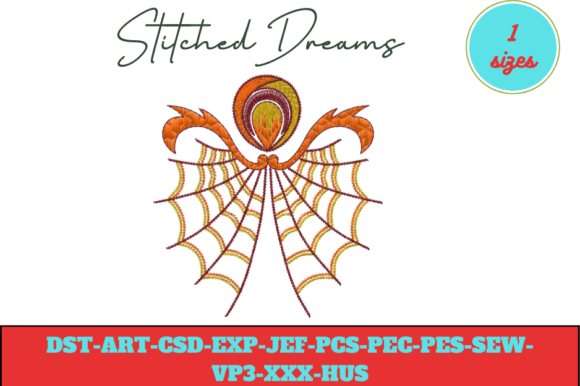
As an embroidery designer who has spent years digitizing patterns and testing files for commercial use, I approach every new download with a critical eye. We all know that not every machine embroidery design found online is ready for the rigors of a real customer order. Recently, I came across the Spider Web Embroidery Design on Creative Fabrica, and it immediately caught my attention for its atmospheric potential. This isn’t just a generic Halloween clipart conversion; it presents a captivating blend of cobwebs and intricate motifs, creating a spellbinding and mysterious composition. For those of us in the Bugs and nature-inspired niche, or simply looking to add a touch of gothic elegance to our portfolio, this file warrants a closer look.
First Impressions and Visual Mood
The first thing you notice about the Spider Web Embroidery Design is its delicate structure. The digitally woven cobwebs are not overly dense, which is crucial for maintaining the airy, ethereal quality of a real spiderweb. Many amateur digitizers make the mistake of using heavy fill stitch areas that turn a web into a solid white patch, losing all definition. This design, however, relies heavily on precise running stitch work and strategic satin stitch anchors to create depth without bulk. The visual mood is distinctly mysterious, making it an excellent candidate for projects that need to stand out through subtlety rather than loud colors.
For embroidery designers, the appeal lies in the versatility. While it fits naturally into the Halloween season, the intricate motifs allow it to transcend seasonal boundaries. It can easily serve as a year-round decorative element for gothic fashion, mystery-themed nursery decor, or even as a subtle accent on everyday custom apparel. The design assets provided seem well-organized, allowing for easy integration into larger compositions or standalone use.
Real-World Application for Handmade Businesses
When evaluating a digital embroidery file, I always ask myself: "Where will this sell?" The Spider Web Embroidery Design offers several avenues for commercial embroidery and handmade product creation. Here is how I envision using this file in a small business context:
- Tote Bag Design: Placing the web in the corner of a canvas tote creates an understated, chic look that appeals to buyers who want something spooky but wearable daily.
- Sweatshirt Embroidery: Positioned over the heart or on the sleeve, the delicate lines contrast beautifully with the heavy texture of fleece or cotton blends.
- Embroidered Patch: This design is ideal for cut-out patches. The open nature of the web means it won’t be too stiff, allowing the patch to conform to curved surfaces like caps or backpacks.
- Nursery Decor: For a "creepy-cute" aesthetic, this can be stitched onto pillow covers or baby blankets, provided the thread colors are softened to pastels or greys.
- Kitchen Towels and Aprons: A small web motif adds a playful touch to seasonal home goods, increasing the perceived value of simple linen items.
For Etsy sellers and craft fair vendors, this design helps diversify inventory. It allows you to create a cohesive collection that includes both bold statement pieces and subtle accents. The key to success here is presentation. Using a high-quality printable mockup to showcase the design on various fabrics can significantly boost customer engagement before you even stitch a single thread.
Technical Considerations and Stitching Performance
While the aesthetic is promising, the technical execution is where many designs fail. Before committing to a large batch of finished product items, there are several practical factors to consider with the Spider Web Embroidery Design.
Fabric and Stabilizer Choice: Because the design features fine lines, fabric choice is critical. On stretchy fabrics like jersey knits for t-shirts, you must use a high-quality cut-away stabilizer to prevent distortion. If the fabric shifts even slightly during stitching, the delicate connections in the web may break or pucker. For woven fabrics like denim or canvas, a tear-away stabilizer may suffice, but always test on scrap fabric first.
Thread Color Contrast: The visibility of the spider web depends entirely on contrast. On dark fabrics, traditional white or silver thread works best. However, for a more nuanced look, consider using variegated threads that shift from grey to white. On light fabrics, you might need to use a darker thread or add a subtle backing to ensure the design doesn’t disappear. Always check thread color contrast against your specific material before running the full job.
Hoop Size and Placement: Ensure you confirm the hoop size compatibility with your machine. While the design appears scalable, shrinking it too much can cause the stitch density to become problematic, leading to thread breaks or bird nests. Conversely, enlarging it too much might expose gaps between stitches that were not visible at the original size. Review the stitch count and density settings in your embroidery software if you plan to resize significantly.
Enhancing Product Value and Brand Consistency
Incorporating unique designs like the Spider Web Embroidery Design can elevate your brand. Customers are increasingly looking for personalized gift options that feel handcrafted and thoughtful. A well-executed embroidered item signals quality and care. When you use a distinct motif that isn’t saturated in the market, you build buyer trust. They see that you offer something different from the mass-produced items found in big-box stores.
Moreover, the visual appeal of intricate embroidery translates well to social media. Close-up shots of the textured stitches can drive traffic to your shop. For creative entrepreneurs, this means the design is not just a product component but a marketing asset. It helps maintain brand consistency if you are aiming for a mystical, natural, or edgy aesthetic.
Final Verdict and Practical Advice
Is the Spider Web Embroidery Design worth downloading? For designers looking to expand their repertoire within the Embroidery niche, particularly for seasonal or gothic-themed collections, yes. It offers a sophisticated take on a common motif. However, success depends on your technical preparation.
- Test First: Always stitch out a sample on the exact fabric you intend to sell. Check for puckering and thread breaks.
- Check Licensing: Before selling finished items, confirm file details and licensing on the Creative Fabrica product page. Ensure you are compliant with their terms for commercial use.
- Inspect Details: After stitching, inspect small details closely. Trim any loose jumps carefully to maintain the clean, woven look of the web.
- Mockup Variety: Create mockups on both light and dark backgrounds to show potential buyers how versatile the design is.
In conclusion, this design is a strong contender for your next project. It balances artistic flair with technical feasibility, provided you respect the limitations of your machine and materials. Whether you are creating a tote bag for a fall festival or a custom sweatshirt for a boutique client, the Spider Web Embroidery Design can add that perfect touch of mystery and craftsmanship that customers love.