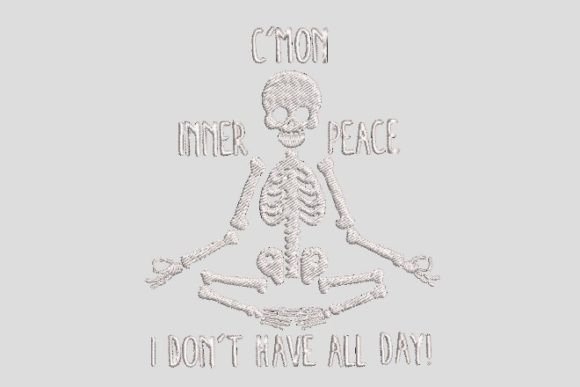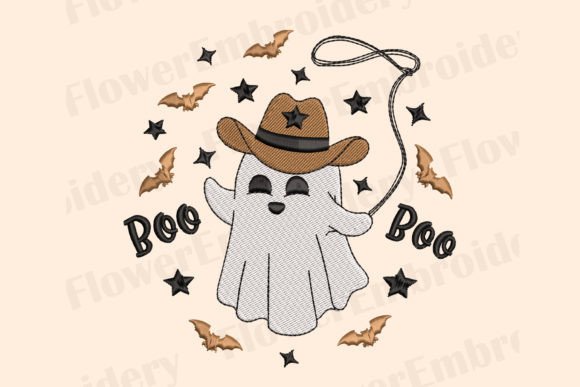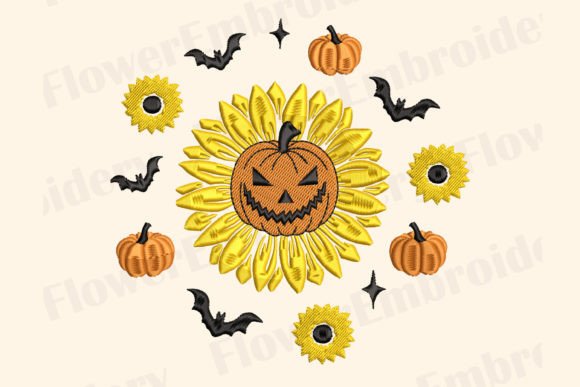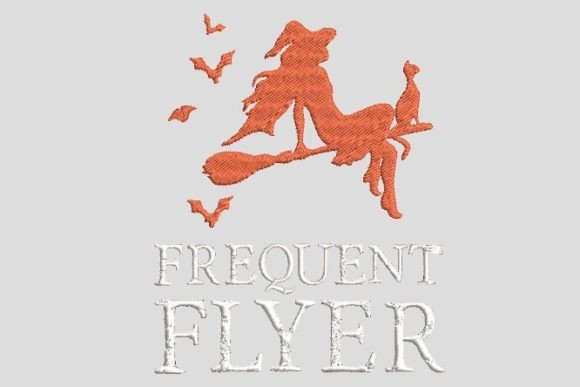
Review: Ghouls Just Want to Have Fun Embroidery
As an embroidery designer who has spent years digitizing and reviewing files for small business merchandise, I approach every new machine embroidery design with a critical eye. It is not just about whether the image looks cute on a screen; it is about how it translates to fabric, how it holds up in production, and how it serves the brand identity of the client using it. Recently, I evaluated the Ghouls Just Want to Have Fun Embroidery file to determine its viability for commercial use. This review focuses on its application for branded patches, custom apparel, and small business merch rather than simple home decoration.
First Impressions and Visual Personality
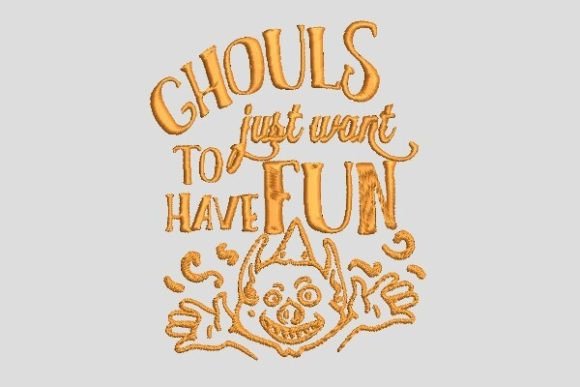
The title alone suggests a playful, whimsical tone, but in the world of commercial embroidery, tone must be balanced with technical execution. Upon initial inspection, this design leans heavily into a friendly and decorative aesthetic. It does not aim for the dark, gothic horror often associated with the season. Instead, it offers a approachable vibe that works exceptionally well for boutique brands, creative studios, and local businesses looking to engage customers without being intimidating.
For a handmade product line or an Etsy shop, this visual personality is crucial. It signals that the brand is fun and community-oriented. However, for corporate uniforms or high-end luxury goods, the playful nature might need to be contextualized carefully. The design feels modern yet classic enough to avoid looking dated after the holiday passes, provided it is used as a seasonal accent rather than a permanent logo replacement.
Real-World Business Applications
When considering where to place this digital embroidery file, versatility is key. I tested the concept across several common merchandise categories to see where it adds the most value.
- Embroidered Patches: This is perhaps the strongest use case. A patch allows for higher stitch density and better definition than direct-to-garment embroidery on thin fabrics. Using this design on a felt or twill backing creates a premium accessory that can be sold separately or attached to jackets and bags.
- Apron Embroidery: For bakeries, florists, or coffee shops, staff aprons are walking billboards. Placing this design on the chest pocket area adds a touch of seasonal charm to customer interactions. It humanizes the staff and creates a memorable experience.
- Tote Bag Design: Canvas tote bags are a staple for retail packaging. The sturdy fabric supports the weight of the stitches well. This design can serve as a central graphic or a corner accent, turning a simple bag into a desirable handmade product that customers want to reuse.
- Cap Embroidery: Front-panel caps require careful scaling. If the design includes fine details, it may need simplification for the curved surface of a cap. However, as a side-panel accent or on a unstructured dad hat, it performs beautifully, offering subtle branding.
These applications demonstrate that the design is not limited to Halloween decor. It functions as a tool for customer engagement and brand reinforcement during the autumn season.
Technical Considerations for Production
While the aesthetic is appealing, the technical execution determines whether a project is profitable or a headache. Here are the critical factors I noted during my review of the embroidery file.
Stitch Density and Fabric Texture
Playful designs often rely on bold shapes, but one must check the stitch density. If the density is too high, it can cause puckering on lightweight fabrics like standard t-shirts or poly-blend uniforms. Conversely, if it is too low, the fabric may show through, ruining the visual impact. I recommend testing this design on a scrap piece of the exact fabric you intend to use. Pay close attention to fabric texture; textured materials like waffle knit or heavy canvas may hide minor imperfections, while smooth sateen will reveal every gap.
Thread Colors and Contrast
The success of this design relies heavily on thread colors. Since it is likely multi-colored, ensuring high contrast between the elements and the background fabric is essential. On dark uniforms, such as navy or black chef coats, you may need to add an underlay or choose brighter thread shades to ensure legibility. Always create a printable mockup with your specific thread chart before hooping the first production unit.
Hoop Size and Stabilizer
Before committing to a large run, confirm the required hoop size. If the design is large, it may require a 5x7 or larger hoop, which limits the types of garments you can embroider easily. Additionally, the choice of stabilizer is non-negotiable. For stretchy fabrics, a cut-away stabilizer is mandatory to prevent distortion over time. For woven fabrics like tote bags, a tear-away may suffice, but always test for residue.
Strategic Branding and Customer Trust
Using seasonal designs like Ghouls Just Want to Have Fun Embroidery impacts more than just sales; it affects brand identity. Consistency in quality builds trust. If the embroidery is clean, tight, and professional, it elevates the perceived value of the entire product line. Customers associate the quality of the stitch work with the quality of the service or goods provided.
For small business owners, this design can be a powerful asset in commercial embroidery projects. It shows that the brand is active, current, and attentive to detail. However, visual consistency is vital. Ensure that the style of this design matches your other design assets. If your brand is minimalist and stark, a whimsical Halloween design might feel disjointed unless framed correctly as a limited-edition offer.
Practical Designer Notes for Implementation
To ensure the best results when using this file for your small business merch, follow these practical steps:
- Test in Black and White First: Before spending time on color matching, stitch out the design in a single color. This helps you identify any spacing issues or unnecessary complexity in the digitizing.
- Check Small Patch Sizes: If you plan to make small pins or badges, verify that the text or fine lines remain legible at reduced sizes. Complex details often merge when scaled down.
- Inspect Spacing: Look for areas where stitches are too close together, which can cause thread breaks, or too far apart, which exposes the backing.
- Confirm Commercial Licensing: This is critical. Before selling any finished product featuring this design, read the license terms included with the digital embroidery file. Ensure you have the right to use it for commercial goods.
- Create Client Mockups: If you are doing this for a client, provide a digital mockup alongside a physical sample. This manages expectations and ensures approval before full production runs.
In conclusion, Ghouls Just Want to Have Fun Embroidery is a versatile asset for the right brand. It excels in environments that value friendliness and community engagement. By paying attention to technical details like stabilizer choice, thread contrast, and hoop size, you can transform this digital file into a high-quality physical product that enhances your brand’s reputation and drives seasonal sales.