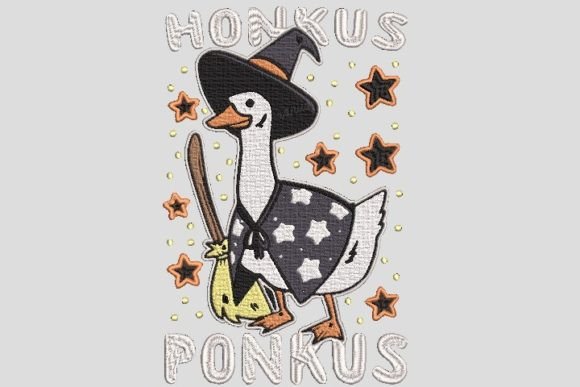
Duck Witch Honkus Ponkus Design Review
As an embroidery designer who has spent years digitizing files and consulting with small business owners, I approach every new machine embroidery design with a critical eye. It is not just about whether a motif looks cute on a screen; it is about how that design translates to fabric, how it holds up in the wash, and most importantly, how it serves the brand identity of the client using it. Recently, I evaluated the Duck Witch Honkus Ponkus Embroidery File, a seasonal asset that promises versatility for Halloween-themed projects. Here is my professional breakdown of how this digital embroidery file performs in a real-world commercial setting.
First Impressions and Visual Personality
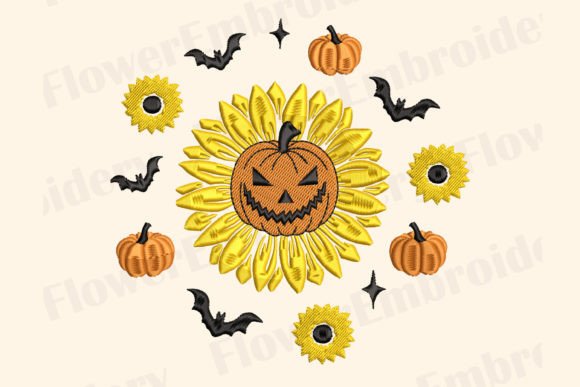
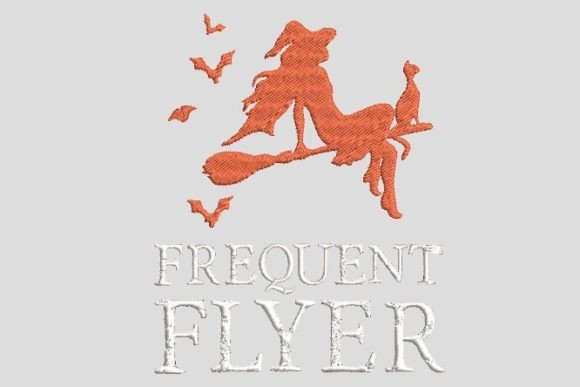
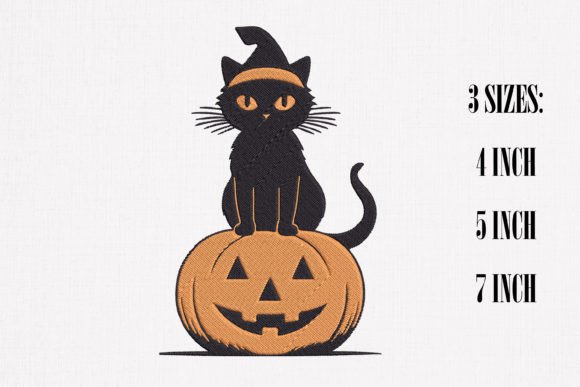
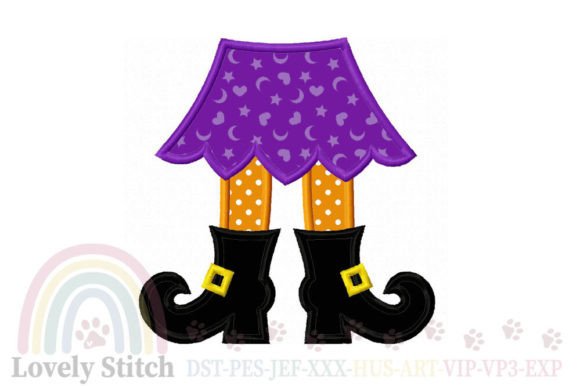
The title alone suggests a playful, whimsical tone. When reviewing the visual assets associated with the Duck Witch Honkus Ponkus Embroidery File, the immediate impression is one of friendly charm rather than spooky horror. For boutique owners and handmade brands, this distinction is vital. The design leans into a decorative, storybook aesthetic that feels approachable and fun. This makes it an excellent candidate for businesses that want to participate in seasonal trends without alienating customers who prefer a softer, more family-friendly vibe. The lines appear clean, suggesting a digitization style that prioritizes clarity, which is essential when scaling designs down for smaller applications like patches or pocket logos.
Real-World Business Applications
For small business merch creators, the utility of a design is measured by its adaptability. You can use it to create a variety of Halloween-themed projects, including apparel, home decor, tote bags, and accessories. This machine embroidery design com offers significant potential for diverse product lines. Let us look at specific use cases where this file shines.
- Branded Patches: This is perhaps the strongest application. An embroidered patch featuring this duck witch motif can be produced in batches and applied to denim jackets, canvas bags, or even laptop sleeves. Patches allow for high stitch density without worrying about fabric puckering, making them ideal for intricate details.
- Café and Boutique Uniforms: Imagine a local coffee shop or a floral studio looking to add a touch of seasonal flair to their staff attire. Placing this design on the chest of a dark apron or a chambray shirt creates an instant conversation starter. It signals that the business is engaged with current trends while maintaining a professional appearance.
- Tote Bag Design: Reusable tote bags are a staple for eco-conscious brands. The Duck Witch Honkus Ponkus Embroidery File works well as a central focal point on a canvas tote. The contrast between the thread colors and the natural fabric texture can create a premium, handmade product feel that justifies a higher retail price point.
- Cap Embroidery: For streetwear brands or casual apparel shops, placing this design on the front panel of a dad hat or trucker cap can drive sales. However, this requires careful attention to hoop size and stabilizer choice to ensure the curved surface does not distort the image.
Technical Considerations for Production
While the aesthetic appeal is strong, technical execution is where many small businesses stumble. Before running a full production batch, you must consider the mechanical limitations of your equipment and the properties of your materials. This machine embroidery design com requires thoughtful preparation.
Stitch Density and Fabric Texture: If the design features dense satin stitches or complex fills, it may pull on lightweight fabrics like thin cotton or polyester blends. Always test the design on a scrap piece of your actual production fabric. Use a cut-away stabilizer for stretchy materials like t-shirts to prevent distortion, and a tear-away stabilizer for stable woven fabrics like canvas or denim. Checking the stitch density is crucial; if it is too high for a small area, the thread may break or the fabric may pucker.
Thread Color Contrast: The success of this design relies heavily on color selection. On dark uniforms or black tote bags, you will need high-contrast thread colors to ensure the duck witch motif is visible from a distance. Conversely, on light-colored apparel, subtle tonal variations can create a sophisticated, elegant look. Create a printable mockup with your intended thread palette to visualize the final result before stitching.
Size Limitations: Do not assume the design will work at any scale. Tiny lettering or fine details can get lost if the design is resized below a certain threshold. If you plan to use it as a small chest logo or a tiny tag accent, zoom in to 400% on your screen to check for clarity. If the details blur, the design may not be suitable for that specific application.
Impact on Brand Identity and Customer Trust
Consistency is key to building brand recognition. Using a high-quality embroidery file like the Duck Witch Honkus Ponkus Embroidery File contributes to a cohesive visual identity. When customers see well-executed embroidery on your merchandise, it signals professionalism and attention to detail. It elevates a simple tote bag or t-shirt from a generic promotional item to a desirable fashion accessory.
For Etsy sellers and craft business assets, this design can serve as a seasonal anchor. It allows you to refresh your inventory without completely overhauling your brand aesthetic. The playful nature of the duck witch character can humanize your brand, making it feel more relatable and engaging to buyers. This emotional connection often translates into higher customer loyalty and increased social media shares, as people love to post photos of unique, well-made items.
Practical Designer Notes for Buyers
Before you purchase and produce, follow this checklist to ensure success:
- Verify File Formats: Ensure the digital embroidery file includes the format compatible with your machine (e.g., PES, DST, JEF). This machine embroidery design com may offer multiple formats, but always confirm before buying.
- Check Commercial Licensing: Never assume a file is free for commercial use. Read the license terms carefully. If you are selling finished products like custom apparel or patches, you must have the right to use the design for profit.
- Test on Real Fabric: Screen images can be misleading. Stitch out a sample on the exact material you intend to use for your final product. Check for thread breaks, nesting, or registration issues.
- Compare Design Assets: Place this design alongside your existing branding elements. Does it complement your logo? Does it clash with your color palette? Visual consistency strengthens brand identity.
- Consider Washability: If the end product is an item that will be washed frequently, such as a baby onesie or a kitchen apron, ensure the thread quality is high and the stabilization is secure to prevent fading or unraveling.
In conclusion, the Duck Witch Honkus Ponkus Embroidery File is a versatile asset for designers looking to add seasonal flair to their offerings. By understanding its technical requirements and strategic applications, small business owners can leverage this design to create high-value, memorable merchandise that resonates with their audience. Whether used for a charming embroidered patch or a bold tote bag design, it offers a blend of whimsy and professionalism that can enhance any autumn collection.